

How to Choose the Right Teleprompter Setup for a Los Angeles Production
Planning a shoot or live event in Los Angeles? Learn which teleprompter setup fits your speaker, camera plan, venue and production schedule.

The best teleprompter setup is not simply the biggest monitor or the most elaborate rig. It is the one that fits the speaker, camera plan, room and production schedule without calling attention to itself.
The right setup begins with the way the content will be delivered
A teleprompter should make a speaker feel more natural, not more technical. Before choosing equipment, start with the format of the production. Is one person speaking directly into a camera? Will an executive address a live audience? Are several presenters moving on and off stage? Will the speaker need to reference slides, a confidence monitor or a remote guest?
Those details determine whether the production needs an on-camera prompter, a presidential system, a downstage monitor or a combination of tools. A good teleprompter partner will ask these questions before recommending gear. The goal is not to add equipment for its own sake. It is to build the simplest reliable system for the way the speaker actually needs to communicate.
For direct-to-camera filming, use an on-camera teleprompter
An on-camera teleprompter places the script in the speaker's eyeline while allowing the camera to shoot through the glass. It is the standard choice for interviews, executive messages, branded content, training videos, commercials and social campaigns.
The camera and lens package matter. So do the framing, the speaker's distance from the glass and the size of the text they find comfortable. A wide shot may require a larger prompting image than a tight shot. A compact camera build may call for a lighter rig. If the production plans to move between a tripod, slider or other support, that should be discussed before load-in.
For Los Angeles crews moving quickly between setups, advance coordination is especially valuable. Sharing the camera build, lens range, shot list and studio access details can prevent avoidable changes once the speaker is already on set.
For a live audience, consider presidential teleprompters
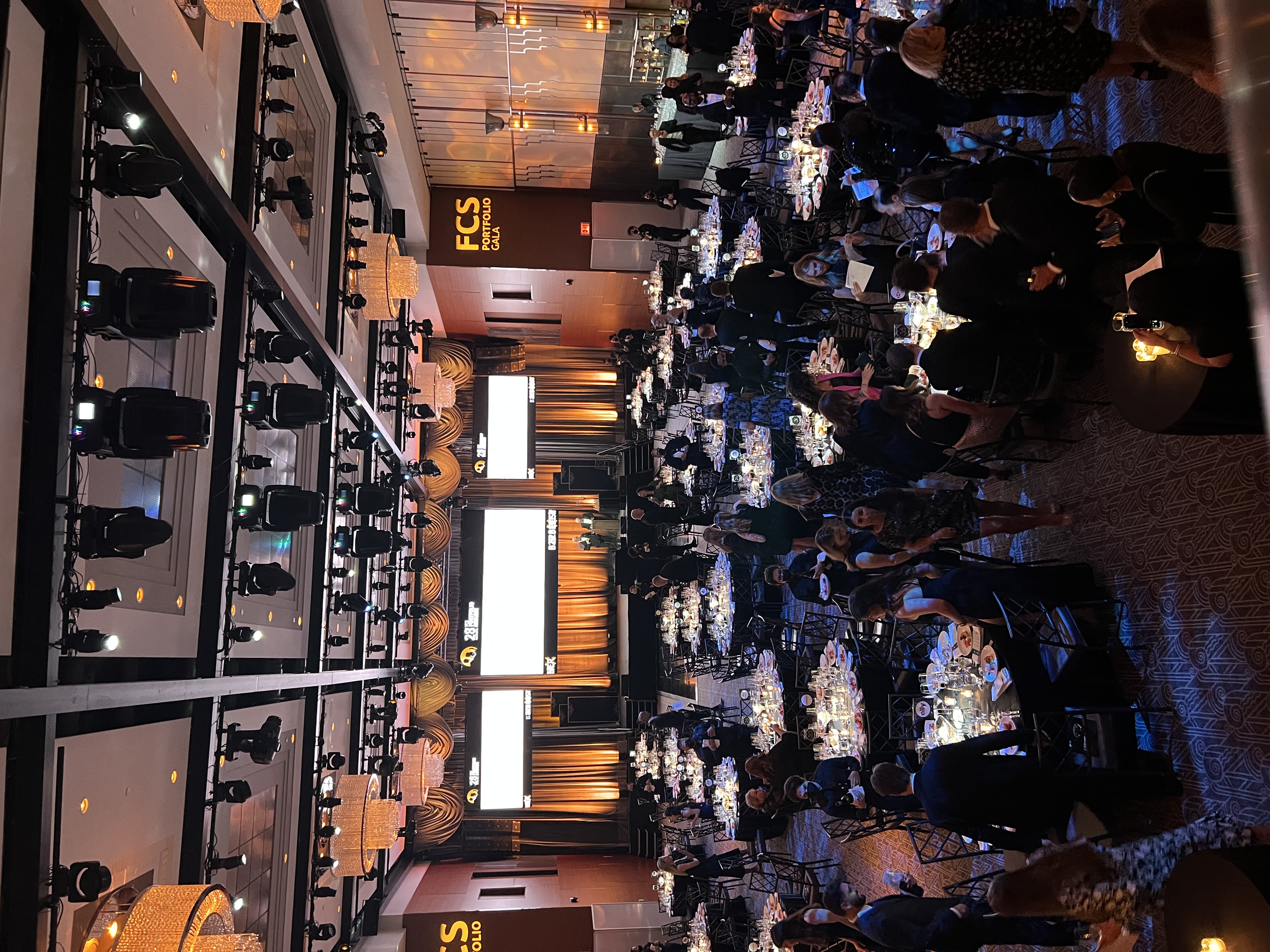
Presidential teleprompters use two transparent glass panels positioned to the left and right of a lectern or speaking position. The speaker can address different parts of the room while keeping the script available in a natural sightline. They are well suited to keynotes, awards programs, fundraisers, commencements, press events and executive presentations.
This setup requires more than placing two stands on stage. The glass height, speaker position, lectern, stage depth, camera angles, lighting and audience sightlines all affect the final placement. A rehearsal or sound-check window gives the speaker time to become comfortable and lets the operator refine the pace before doors open.
If the venue has a tight stage, a low ceiling, a scenic wall or unusual seating configuration, send a stage diagram or photographs in advance. Small planning details can make the system feel almost invisible during the event.
A downstage monitor can support movement and panel formats
A downstage monitor, sometimes called a floor monitor or confidence monitor, can be useful when a presenter needs script support without standing behind a lectern. It may also support hosts, moderators, awards presenters and multi-speaker programs.
The tradeoff is eyeline. Because the screen is below the audience or camera, it is best used when the staging and camera plan can accommodate a downward glance. It can be an elegant solution, but it should be selected intentionally rather than treated as interchangeable with an on-camera or presidential system.
The operator is part of the setup
Teleprompter operation is live performance support. An experienced operator listens to the speaker and follows their actual delivery rather than forcing them to match a fixed speed. If the speaker pauses, skips a paragraph, repeats a line or moves into an unscripted moment, the operator adjusts in real time.
That responsiveness is particularly important for executives, talent and presenters who are not accustomed to reading from a prompter. A calm operator can help the speaker find a comfortable font size, spacing and pace during rehearsal, then keep the technology out of the speaker's way once the production begins.
What to send when requesting a Los Angeles teleprompter quote
A useful quote can usually be built quickly when the request includes the production date, venue or studio, call time, anticipated wrap time, type of production, number of speakers, camera package, preferred teleprompter style and rehearsal schedule. It also helps to note whether the venue is providing screens and signal infrastructure or whether a complete prompting system is needed.
If some details are still moving, that is normal. Share what is known and flag what is not. The right partner can help identify the decisions that affect equipment, staffing and timing.
Plan the prompting around the speaker
The best teleprompter setup is the one the audience never has to think about. It gives the speaker confidence, supports the camera and staging plan, and allows the production team to focus on the message.
Prompster provides professional teleprompter rentals and experienced operators for productions throughout Los Angeles. If you are planning a shoot, keynote or live event, send us the date, location and basic production details. We will help you determine the setup that fits.
Contact Prompster for a Los Angeles teleprompter quote
Related Posts

subscribe to Prompster
Subscribe for Prompster news, production insights and updates.